
The result should be usable after the original meeting ends. Production, purchasing and inspection teams need to recognize the same item, retrieve the same supporting information and see when a later change requires review.
Key Takeaways
- A golden sample is an approval role, not automatically a separate sample stage or a universal industry term.
- Its label should identify the product, revision, status and approved scope.
- The physical item works with drawings, specifications, material references and test evidence; it does not replace them.
- Storage, access, duplicate references and retention periods should reflect project risk rather than a fixed formula.
- Material, process or factory changes require an impact review before the old reference is reused.
What Is a Golden Sample in Furniture Manufacturing?
A Golden Sample Is an Approval Role, Not Simply a Better Prototype
In furniture manufacturing, a golden sample is a physical reference that the relevant project roles have accepted for specific attributes and identified for later comparison. The term describes the sample’s status after approval. It does not automatically mean the item was made with final tooling, represents every written requirement, or carries a legal effect beyond the parties’ agreed records.
The industry does not use the term with one universal definition. Some teams call the final development sample a golden sample. Others reserve the name for a production-representative item, an approved finish board or a retained unit from initial production. A buyer should therefore define the role in the project rather than rely on the label.
What the Reference Can and Cannot Establish
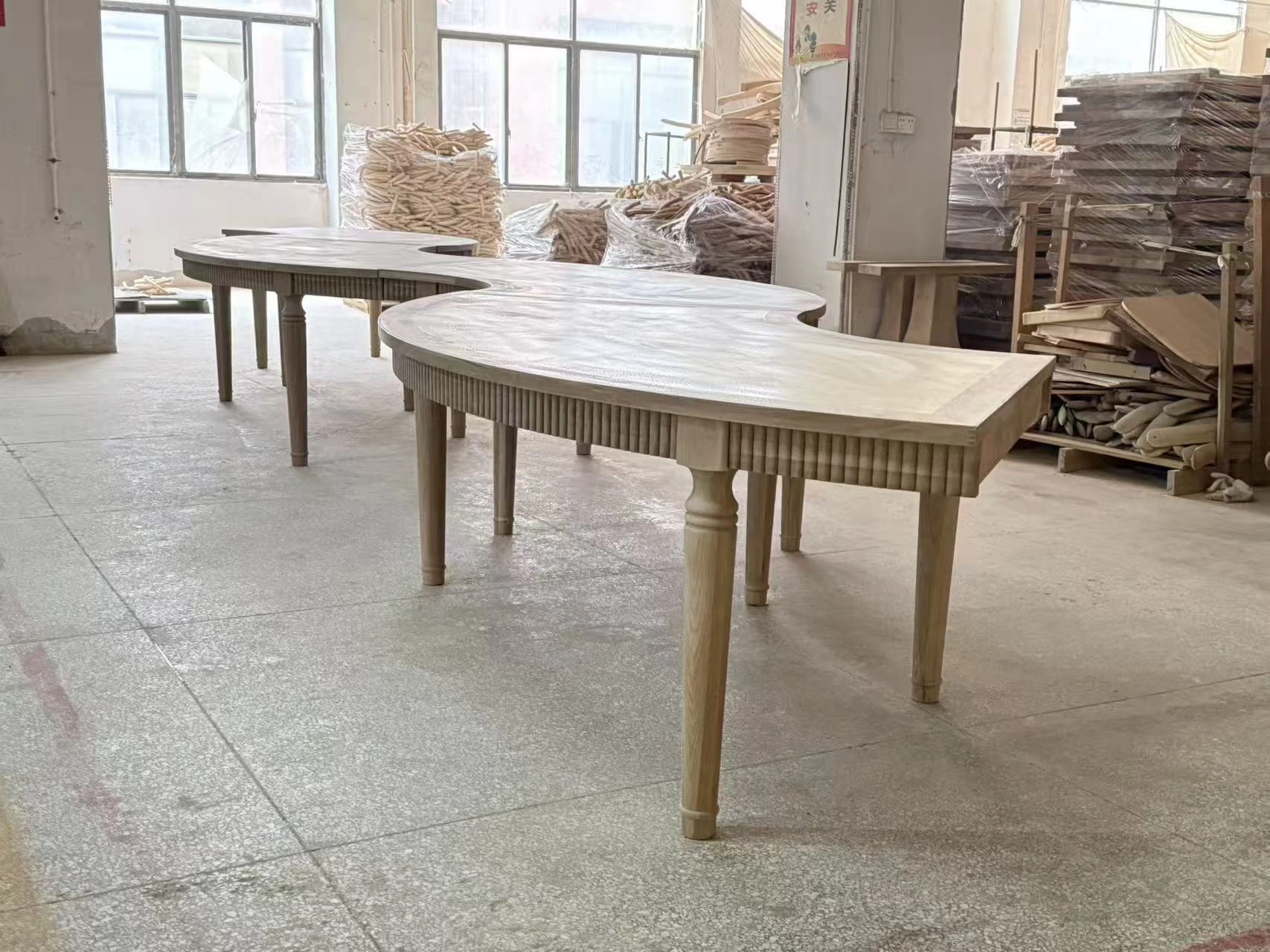
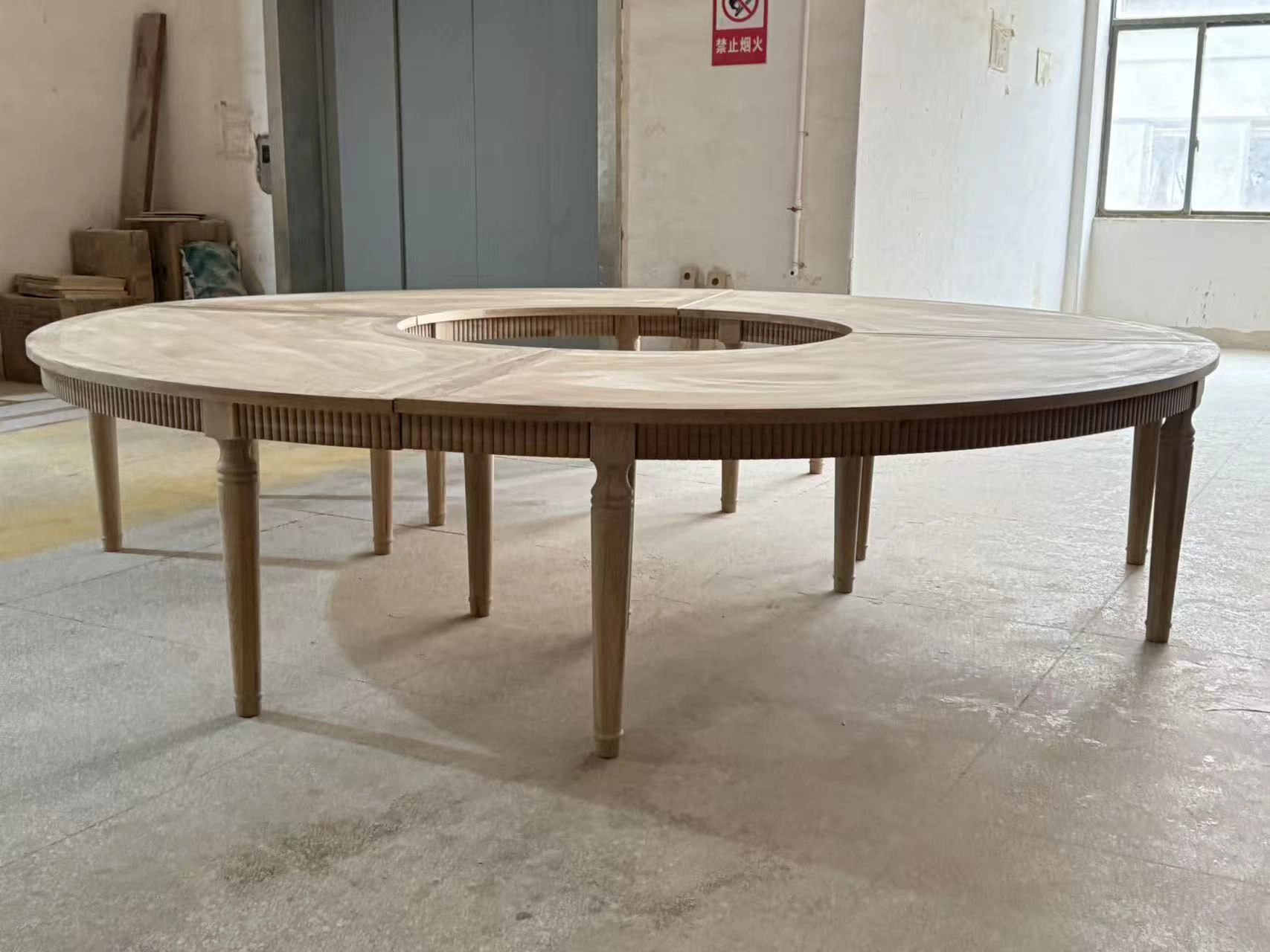
The sample can support direct comparison of observable features. Depending on its form, reviewers may examine overall proportions, visible material, colour, gloss, texture, edge treatment, alignment, joinery execution, hardware fit, moving functions, assembly and packaging configuration. A retained component or finish board may give a clearer comparison for one attribute than a complete product.
Hidden composition, material grade, adhesive, internal reinforcement, dimensional tolerance, durability, chemical requirements, regulatory scope and distribution performance often require drawings, declarations, records or tests. One acceptable item also cannot demonstrate variation across an entire production batch. The furniture sample approval checklist helps separate observable checks from evidence that must remain outside the physical sample.
The approval record should state the sample’s purpose in plain language. If it is a colour reference, do not let it become an implied structural benchmark. If it represents construction, identify the related drawing and the accessible details actually reviewed.
How Do Prototype, Pre-Production and Golden Samples Differ?
Development Samples Answer Design Questions
A development sample helps the parties decide what the product should become. It may test proportion, comfort, styling, assembly logic, material combinations or a difficult construction detail while choices are still open. Temporary hardware, substitute material, hand-built details or a different workshop route may be reasonable at this stage when the differences are disclosed.
MrsWoods can support custom development with drawings, reference images, 3D views and discussion of structure, dimensions, materials, finishes and packaging. The company owns several furniture factories, with different product categories made at different facilities. For that reason, a sample intended to represent production should be linked to the actual product and planned manufacturing route. A 3D image remains a design tool and cannot prove physical colour, touch or workmanship.
Pre-Production Samples Test a Mature Product Definition
A pre-production furniture sample should reflect a sufficiently mature product definition for the decisions expected from it. Ideally, the materials, components, construction and process relevant to approval correspond to the intended production route. If they do not, the sample record should identify each difference and explain the evidence still required.
The name alone proves nothing about representativeness. A sample made in a development room may use more manual correction than normal production. A special piece of veneer may hide the expected natural range. Packaging may be temporary because final cartons have not arrived. These conditions do not make the sample useless; they narrow the approval that can be given.
An Approved Sample Becomes a Controlled Physical Reference
A development or pre-production item becomes a controlled reference only after its identity, approval scope and relationship to current requirements are recorded. One object can move through these roles. There is no need to manufacture three separate pieces merely to satisfy three labels, provided the transition and remaining limitations are traceable.
The right form depends on the risk. A full chair may be necessary when geometry, upholstery and movement interact, while a hardware set or finish board can answer a narrower question more clearly. Packaging can be retained separately when the pack configuration is the controlled decision.

What Must Be Linked to a Golden Sample?
Record Product Identity, Sample Status and Revision
Start with a durable identity that can be read without relying on memory. Record the product name or code, project or order reference, sample identifier, date, status, revision, finish option and intended market or use where relevant. A photograph of the labelled item can help the digital record, especially when similar versions remain in the same facility.
The status should say whether the object is proposed, approved for a limited attribute, approved as a current reference, superseded or damaged. The project can choose signatures, seals or electronic approval when useful, but no single format is necessary for every order. The record should show who had authority for the decision under that project and what the decision covered.
MrsWoods sample confirmation can address project-specific dimensions, materials, colour, structure, function and packaging. The evidence and confirmation path can vary by order. The strength lies in making the buyer’s confirmed requirements usable for the correct sample and production version, rather than claiming one universal signature form or fixed approval role.
Link Current Drawings, Materials, Finish, Hardware and Packaging
A physical sample cannot display all governing information. Its record should point to the current drawing, specification, material reference, finish code or board, hardware choice, assembly information, labels, marks and packaging requirement that complete the product definition. Each document needs an identifiable revision or date.
The public scope of ISO 10007 configuration management guidance covers the use of configuration management for products and services from concept to disposal. Applied carefully to a furniture order, this supports identification, status and change control for the reference set. It does not define a furniture golden sample or require a particular form.
The related guide to furniture specification freeze addresses how those documents become a controlled baseline. For the physical reference, the essential point is that a user can retrieve the exact version that was in force when approval was given.
Keep Tests, Compliance Evidence and Accepted Deviations Visible
List separate tests, declarations, certificates or regulatory records by their actual product and model coverage. The sample may help identify the item to which a report applies, but it cannot absorb the report’s scope. If a strength test covered one construction and the retained sample later changes, the evidence needs a relevance review.
Accepted deviations also belong in the reference record. An approved colour adjustment, temporary packaging exception or visible joint variation should remain visible to production and inspection. Otherwise, one team may reproduce a tolerated difference while another treats it as an error.

How Should the Reference Be Labelled, Stored and Used?
Label the Sample and Its Approval Scope
Place the identifier where it remains legible without damaging an important comparison surface. The label can include the product, sample ID, revision, approval date, status and a short scope statement. Use a linked record for details that do not fit safely on the item. Large furniture can carry a tag, while a small material or hardware sample may be stored in an identified sleeve or box.
A signature or tamper-evident seal can support traceability when the parties agree to use one. It is still the surrounding record that explains the decision. A signed chair with no drawing revision or approval scope leaves future users guessing.
Define Custody, Access, Storage Conditions and Duplicate References
Choose custody around where comparison will occur and who needs reliable access. A supplier may retain the production reference, the buyer may keep a counterpart, or the project may distribute components, finish boards and digital records among sites. The correct number depends on product size, factory arrangement, inspection plan, shipping risk and the consequences of disagreement.
There is no universal rule that every project must keep three copies. Large furniture may make multiple full units impractical. In that case, the parties can retain one identified master plus controlled detail references and photographs, provided the limitations are understood. Duplicate samples should be compared with each other before they are treated as equivalent.
Storage should protect the controlled attributes from moisture, sunlight, dust, abrasion, contamination and compression. Record damage instead of continuing to use a changed reference.
Control Natural Material and Finish Comparisons
Natural wood and veneer need a defined appearance range. One unusually uniform board can create an expectation that ordinary material cannot repeat. Grain direction, figure, pore structure, colour and accepted features should be represented by suitable samples or written boundaries. The guide to natural wood variation versus furniture defects explains how inherent features differ from avoidable processing problems.
The public AWI 100 submittal requirements provide an architectural woodwork example: finish samples use representative material, carry identifying information, and communicate the expected colour and grain range for transparent finishes. These are useful principles, but the AWI sample requirements apply to their stated architectural woodwork scope and should not be copied as a universal furniture rule.
MrsWoods’ material and colour references can support early selection. Final physical approval still needs the project substrate, grain, preparation and finish process because those factors can change the result. This gives buyers a practical starting point while keeping the final evidence tied to the actual product.
Viewing conditions also matter. ASTM D1729 visual colour appraisal addresses controlled equipment and procedures for comparing diffusely illuminated opaque materials and identifies observer and illumination considerations. It supports consistent colour review conditions; it does not define a furniture colour tolerance or the whole golden sample process.
When Should a Golden Sample Be Replaced or Reapproved?
Review Each Change by the Requirements It Affects
A proposed change does not always require another full product sample. Review its effect on appearance, dimensions, fit, function, performance, compliance evidence, packaging and manufacturing repeatability. Then select evidence that answers the affected questions. A new finish board may be enough for a controlled colour change; revised joinery may require an assembled component or complete unit.
Material source, hardware, structure, tooling, process, sub-supplier, factory, finish system and packaging can each alter different requirements. A change of factory deserves review because equipment, fixtures, operators and process controls may differ even when the drawing is unchanged. The old reference remains valid only for attributes that the change does not disturb and the project has accepted that conclusion.
When a material, hardware or process change arises, MrsWoods procurement can evaluate cost, availability, process, lead time and quality effects. Business and customer roles can then confirm the relevant commercial and product decision before the reference set is updated. This turns sourcing knowledge into a controlled decision without promising that every substitution is free of cost or schedule impact.
The detailed article on specification drift in furniture manufacturing explains how small unrecorded changes can accumulate. The golden sample record should show which change was accepted and why the selected evidence was sufficient.
Retire Superseded References Without Losing Their History
Mark a replaced sample as superseded and remove it from active comparison. Physical separation matters when an older reference looks almost identical to the current one. Do not destroy the history automatically; the former item or its documented record can explain a complaint, repeat order difference or earlier decision.
The current record should point forward and backward. Show which sample replaced the earlier version, the date of the transition, the affected attributes and any orders still governed by the previous reference. A photograph of the label and significant differences helps when storing the complete object is impractical.
Check Deterioration, Damage and Relevance Before Reuse
Before using a retained reference for a repeat order, check whether it still represents the intended product. Wood and coatings can change with light, moisture and time. Upholstery can compress or soil. Hardware can corrode or loosen. Packaging materials can deform. Missing components or an unreadable label can also remove the evidence needed for comparison.
No universal expiry period applies to every sample. Set the review or retention period around material stability, repeat-order cycle, contractual need, storage conditions and the cost of relying on an outdated item. When the reference has changed physically, decide whether a fresh component, finish board, complete sample or documented comparison is necessary.
How Does Golden Sample Furniture Support Production and Inspection?
Compare Early Production With the Approved Reference
The first output from the intended production route can reveal a transfer error that one development sample cannot. Compare critical dimensions, fit, function, finish, hardware and packaging with the current reference and linked requirements before the same error spreads through the order. The comparison should focus on the risks that changed between sample making and routine production.
The guide to first article approval for furniture covers that early-production decision in detail. The golden sample supplies one point of comparison; the first article shows whether the intended route can reproduce the applicable requirements.
A difference does not always mean the production piece is wrong. The sample itself may be unrepresentative, the specification may have changed, or natural variation may have been defined too narrowly. Record the finding, identify the governing requirement and resolve the conflict before release.
Use the Sample With Specifications and Measurable Criteria
Inspectors need measurable criteria for dimensions, gaps, alignment, function, count and other objective checks. Use the physical reference for characteristics it can communicate well, such as a tactile finish, an assembled relationship or an approved appearance range. Written requirements and suitable tools should control questions that cannot be judged reliably by visual matching.
This combined approach helps maintain furniture quality consistency without treating consistency as identical natural appearance. Production teams can compare the current item with the same approved basis, while quality records show measurements, findings and decisions across the order.
The inspection plan should identify which reference is available at each stage. A finish board may be needed before assembly, a hardware reference during fitting, and the full product near final inspection. Waiting until the completed order to retrieve the sample reduces its preventive value.
Resolve Deviations Without Treating the Sample as the Whole Contract
When the physical item and written requirement conflict, record the exact location, versions and affected scope. The project agreement should determine the order of precedence or the authority that resolves the conflict. Inspectors should not guess whether the sample silently amended a drawing.
MrsWoods carries out 100% pre-shipment inspection and can support inspection by a customer-appointed third party. The current approved requirements and physical references can inform those checks. Pre-shipment inspection does not mean that every unit receives every destructive or performance test, and a passed reference sample cannot guarantee zero defects or prove batch consistency on its own.
Close the deviation with a corrected requirement, an accepted exception or new evidence. Update every affected copy and prevent an outdated reference from returning to production. This is how a sample remains useful after approval: it participates in the control system instead of replacing it.
Frequently Asked Questions
Is a Golden Sample the Same as a Pre-Production Sample?
Not necessarily. “Pre-production” describes the stage or intended use before bulk manufacture. “Golden” describes an approved reference role. A pre-production sample can become the golden sample after its identity, approval scope and linked requirements are confirmed, but the names are not automatically interchangeable.
Does Every Furniture Order Need a Full-Size Golden Sample?
No. Choose the reference around the decision and risk. A full item may be necessary when several attributes interact. A finish board, component, hardware set or packaging sample may be more effective for a narrow question. Large products can use a controlled combination of physical references and digital records when the limitations are clear.
How Many Golden Samples Should Be Kept?
There is no universal number. Consider the buyer and factory locations, product size, inspection stages, risk of loss, likelihood of dispute and need for repeat orders. If multiple references are retained, compare and identify them so that one is not assumed equivalent without evidence.
Can Photos or Video Be the Golden Sample?
Photos and video can preserve identity and support some visible comparisons, but they cannot reliably reproduce scale, precise colour, gloss, texture, touch, hidden construction or physical function. Use them as controlled supporting records and state which attributes still require a physical reference, measurement or test.
How Long Should a Golden Sample Be Retained?
Set retention according to the repeat-order cycle, material stability, contractual or regulatory needs, complaint window, storage risk and cost. Review the sample before reuse. A fixed period is less useful than confirming that the reference remains identifiable, physically sound and relevant to the current product.
What Happens When the Product Changes After Approval?
Assess which requirements the change affects, update the controlled documents and choose proportionate new evidence. The answer may be a new finish board, component, partial assembly, full sample, test record or early-production comparison. Mark the former reference as superseded for the affected scope and preserve the decision history.
Build a Reference That Production Can Actually Use
A reliable golden sample furniture system begins with a precise approval scope. It links the physical object to current documents, identifies custody and status, protects the attributes being compared, and triggers review when the product or process changes. Those controls make the reference useful to purchasing, production and inspection without asking it to prove what only specifications, records or tests can establish.
For custom oak furniture and OEM projects, send MrsWoods the product and revision, intended market and use, quantity, drawings, material and finish references, packaging requirements, known tests and the roles that need access to the approved reference. The team can use its custom furniture development and manufacturing services to clarify which sample role and evidence should be established before bulk production.
