
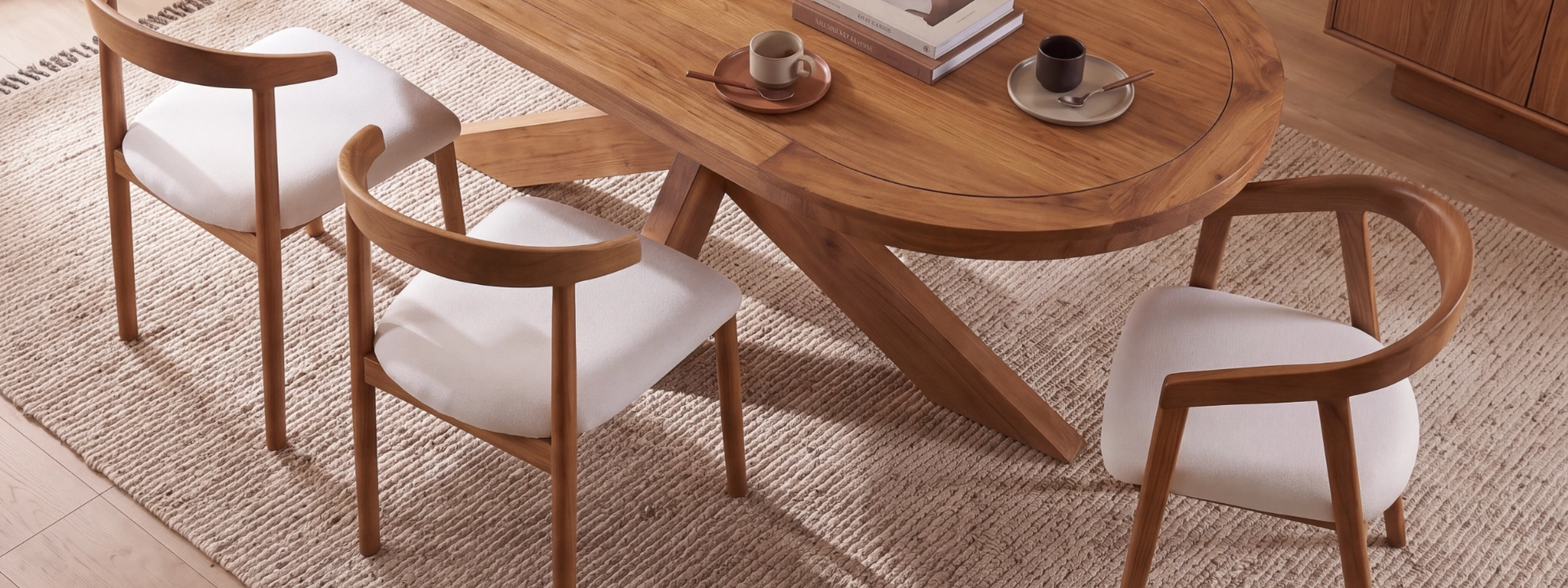

The word oak is not an inspection standard. Confirm the species, solid, veneered or mixed construction, current drawing, finish reference and acceptance criteria. This product-level example does not replace a full furniture quality control framework.
Key Takeaways
- Inspect against current references. A drawing, specification, approved sample or finish board must identify what is being accepted.
- Check geometry and stability together. A visually clean tabletop is not enough if the base is misaligned or the table rocks.
- Judge oak appearance within an approved range. Natural variation is expected; damage, poor veneer work and finish defects are separate issues.
- Close failed items before release. Record the result, correct or replace affected items, and verify the correction before packing.
What Should Be Confirmed Before an Oak Coffee Table Inspection?
Identify the SKU and reference set: current drawing or specification, approved sample or photographs, finish or colour reference, hardware list and packing requirement. If references conflict, confirm which version controls before inspection.
Match the Item to the Current Approved References
Trace each check to a requirement: dimensions to the drawing, colour and sheen to the finish reference, and construction details to the sample or confirmed documents. The furniture sample approval process explains how these references stay connected.
SGS describes furniture inspection against client specifications, drawings and type samples, with final checks covering appearance, workmanship, quantity, packaging and marks. The order still needs its own checklist.
Confirm the Actual Material and Construction
Confirm whether the top, edge and base are solid oak, oak veneer or mixed construction. Veneer needs additional checks at joints, edges and transitions. Do not call the product solid white oak unless records confirm both species and construction.
How Should the Tabletop Be Checked?
Compare length or diameter, width, height, top thickness, edge profile and symmetry with the current drawing. Use the project tolerance; one universal tolerance cannot cover every design and construction.
Check Dimensions, Edge Profile and Visual Symmetry
A round top should not look distorted. A shaped edge should remain continuous, without abrupt sanding changes or damage. Check matched sections, inlays and a centred base against the approved reference.
Check Flatness and Visible Damage
Check for bowing, cupping or twisting using the agreed method and limit. Review surfaces and edges for cracks, chips, dents, scratches or repair marks. Record the location and scale of each finding.
How Should the Base, Legs and Assembly Be Checked?
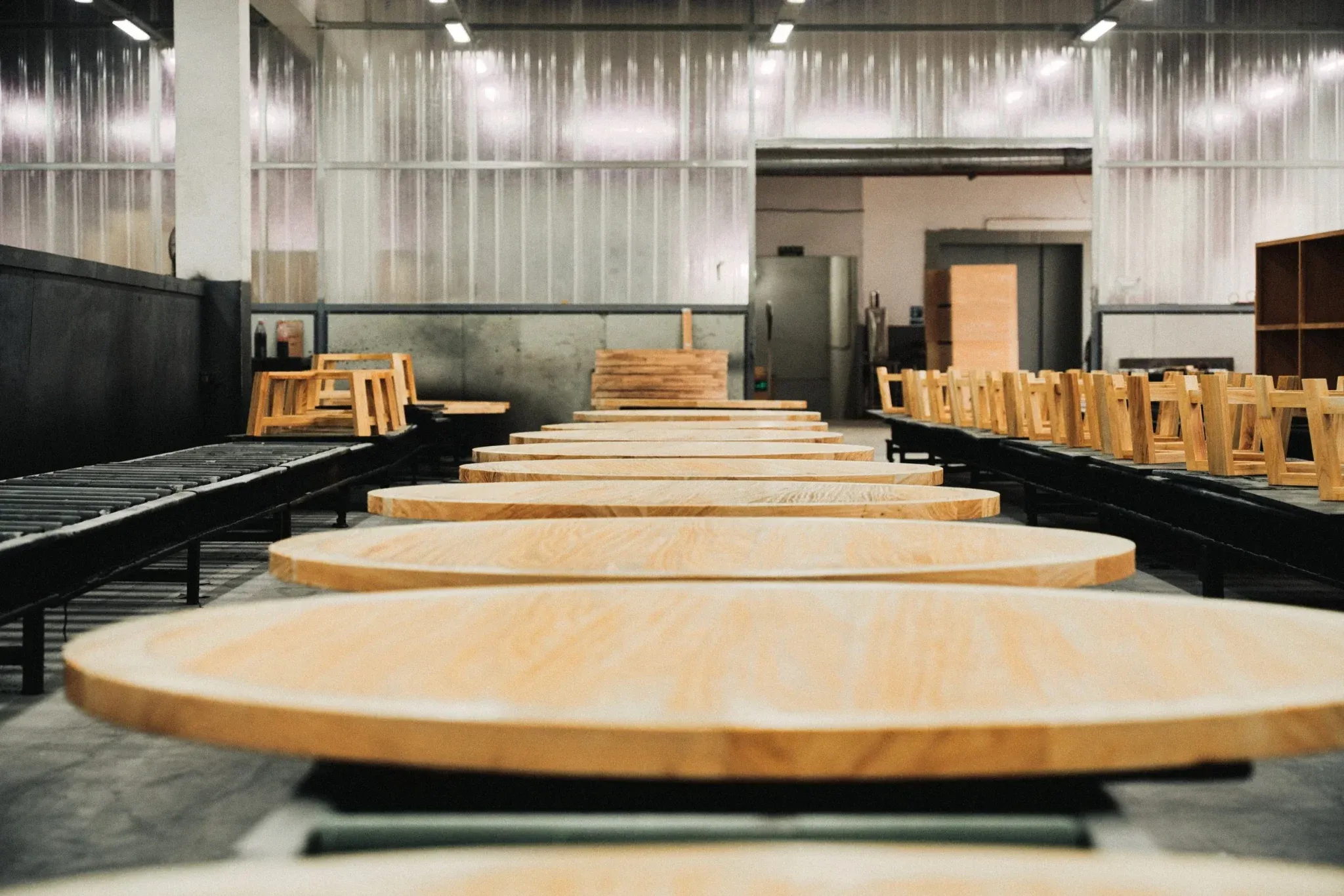
Use an appropriate level surface. Check base or leg alignment, joint fit, visible gaps and floor contact. If the table rocks, confirm that the issue follows the product rather than the test floor.
Check Alignment, Floor Contact and Stability
Compare the assembled base, legs and top with the drawing or sample. Look for an off-centre base, unequal spacing, twisted alignment or joints that have not seated correctly. Use the agreed stability method, not a universal load claim.
Check Hardware, Accessories and Knock-Down Fit Where Applicable
For hardware or knock-down construction, verify the correct parts, quantity, fit and function. Check levellers, pads, covers, tools and instructions only where required. Do not add irrelevant hardware checks to a fully assembled product.
How Should Grain, Veneer and Finish Be Checked?
Oak varies naturally in grain, colour and figure. Inspection should compare the product with the agreed appearance range, not demand that every surface look identical. The guide to natural wood variation versus a furniture defect explains why a characteristic can be acceptable in one specification and rejected in another.
Judge Grain and Colour Against the Approved Appearance Range
Review colour, grain direction and visible transitions at the agreed viewing distance. Natural variation does not excuse a finish mismatch or poor component arrangement, but normal wood character within the confirmed range should not be rejected.
Check Veneer and Finish Details Where They Apply
For veneered areas, check joints, grain direction, edges, lifting, bubbles and exposed glue. Use the oak veneer quality details only when veneer is confirmed. Inspect all finished surfaces for sanding marks, dust, runs, uneven stain or sheen, scratches and incomplete edges. Claim coating tests only when recorded.
What Must Be Checked Before Packing and Shipment?
Before packing, confirm the SKU, approved condition, accessories, labels and instructions. Packaging should follow the order and suit the table’s structure, finish and removable parts. “Export-grade packaging” alone is not an inspection result.
Record and Recheck Non-Conforming Items
Identify and separate non-conforming items, record the finding, correct or replace them, and reinspect the affected point. For sampling, defect classification and lot release, use the guide to furniture pre-shipment inspection and AQL.
MrsWoods inspects each order, can provide inspection photographs, and supports buyer-nominated third-party inspection. Agree the method, sampling or full-inspection scope, measurements and evidence for the specific order.
Use a Product-Specific Coffee Table Inspection Checklist
The checklist below links the finished product to its reference, required check and evidence. It does not replace the order specification.

Frequently Asked Questions
Is Natural Oak Variation a Defect?
Not automatically. Grain and colour variation are normal. Judge them against the approved appearance range. Cracks, lifting veneer, poor repairs, finish contamination and a clear mismatch with the reference are separate issues.
Should Solid Oak and Oak Veneer Coffee Tables Be Inspected in the Same Way?
They share checks for dimensions, stability, colour, surface condition and packaging. Veneer adds checks for joints, grain layout, edges, lifting and glue. The confirmed product build determines the checklist.
Is a Coffee Table Inspection the Same as an AQL Pre-Shipment Inspection?
No. The product checklist defines what to inspect. AQL also defines sampling, defect classes and the lot decision. The same checklist can support AQL, full inspection or another agreed method.
What Inspection Evidence Should a B2B Buyer Request Before Shipment?
Request current references, the completed checklist, measurements, photographs, sampling information, open non-conformities and reinspection results. Include packaging, labels and accessories. Evidence should identify the SKU and order.
Useful oak coffee table quality control is specific: confirm the product, check appearance, assembly, stability and delivery points, and record how failed items were closed.
For a review with MrsWoods, send the SKU, drawing, confirmed material and construction, finish or sample reference, quantity, packaging and inspection method. State whether buyer photographs or third-party inspection are required.
