
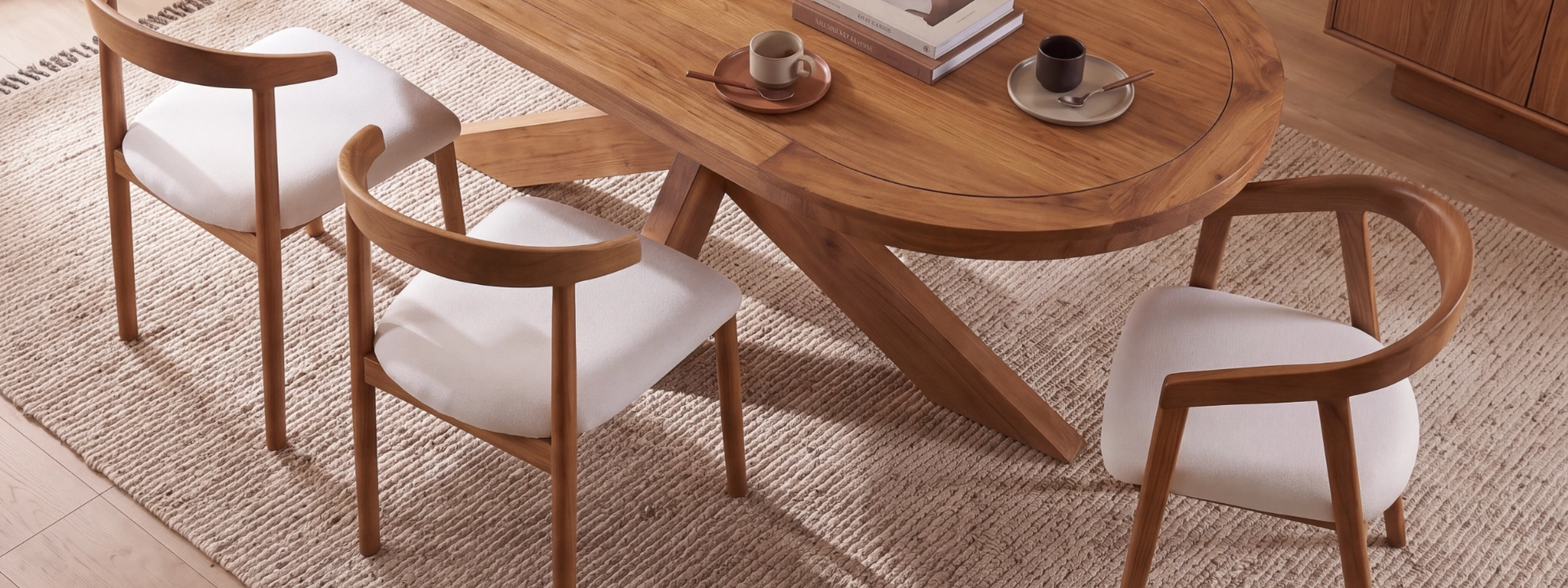

This article handles the technical normalization beneath a quotation. The wider furniture factory quotation comparison framework remains responsible for the final commercial decision, including whether to approve, revise, validate or pause an offer.
Key Takeaways
- A price difference proves only that two numbers differ. It does not reveal whether the products, quantities, processes or responsibilities match.
- Freeze the quotation reference first. Product revision, quantity by SKU, materials, construction, finish, hardware, packing and quality scope must be identifiable.
- Trace every meaningful delta. Connect the changed specification to material consumption, selection yield, setup, labour, process time, rework exposure or another understandable mechanism.
- Ask for decision evidence, not an accounting audit. Drawings, material schedules, finish references, samples and test scope are often more useful than a generic percentage breakdown.
- Treat value engineering as a controlled product change. The original and proposed specifications, price effect, consequences and validation route must remain visible.
What Does a Price Difference Between Furniture Factory Quotes Actually Prove?
By itself, a price gap proves only that the suppliers returned different prices. It does not establish why. The reason may be a different material, an omitted component, another finish route, a more suitable manufacturing method, a different quantity assumption or a cost transferred outside the unit price. More than one cause can sit inside the same gap.
Separate the number from the product beneath it
A photograph is not a manufacturing specification. It does not define hidden timber sections, veneer construction, substrate, joint details, hardware grade, surface preparation, coating sequence or packed condition. Even a drawing can leave decisions open. If suppliers resolve those open points differently, their quotations may each be internally reasonable while remaining unsuitable for direct comparison.
Use four evidence states for each important field. Matched means the response follows the controlled requirement. Declared alternative means a different proposal is visible. Missing/TBC means a decision or responsibility remains open. Not comparable means the response uses a different product reference, quantity basis or other condition that prevents a sound comparison. An empty cell is not a match.
Do not infer cost structure from price position
The highest quote is not proof of the best construction, and the lowest is not proof of a shortcut. A factory may have an efficient route for one product, reusable tooling, a suitable material position or fewer handoffs. Conversely, a low total may exclude an item that another supplier included. The buyer needs a causal explanation linked to the product, not a story based on rank.
Keep this distinction throughout the review: quotation evidence can show what has been priced; it cannot by itself prove capacity, stable production control or market compliance. Those decisions need their own evidence and should not be smuggled into a price score.
Which Reference Must Be Fixed Before the Technical Comparison Starts?
Start from one controlled RFQ baseline. At minimum it should identify the product or SKU, current drawing and specification revision, dimensions and critical tolerances, quantity by SKU, intended use and destination market, assembly state, packing expectation and required quality or testing scope. If the buyer has not decided a field, mark it “TBC” or “supplier to propose” and require the supplier to state the pricing assumption.
Define the quotation unit and included components
“One set” can mean a table only, a table with extension leaves, a table plus fittings, or a complete retail pack. State whether the quoted unit includes loose hardware, glides, accessories, spare parts, instructions and buyer-supplied items. For upholstered or modular products, identify the configuration behind each unit price. A comparison fails when one supplier prices a complete commercial unit and another prices only its main body.
The same discipline applies to quantity. Record the executable mix by product, size, colour, material and pack type—not only the order total. Setup and purchasing conditions may differ between 600 identical chairs and 600 pieces split across twelve variants.
Use requirements that suppliers can answer and buyers can evaluate
The CIPS guidance on procurement scope and specification emphasizes clear requirements, outputs, performance expectations and acceptance criteria so offers can be evaluated on a credible basis. It is general procurement guidance rather than a furniture quotation form, but the principle is directly useful: a requirement must be specific enough to distinguish compliance, an alternative and an unresolved point.
If the final upholstery, coating system or test standard is not yet selected, state that honestly and require a separately identified pricing assumption.

How Do Materials and Components Change the Product Being Quoted?
Furniture material cost is not simply the market price of “wood,” “fabric” or “metal.” The quotation reflects which material is required, where it is used, which appearance or performance is expected, what selection is necessary and how much usable material the construction consumes. A species name alone rarely controls all of those variables.
For solid wood, define the parts and the permitted result
For a solid-wood product, identify the species, the components that must be solid, finished dimensions where they matter, appearance zones, permitted natural features and any agreed condition at production. “White oak” does not tell a factory whether every rail, leg and panel must be white oak, whether non-visible components may use another approved material, or how grain and colour variation will be judged.
Moisture cannot be treated as an isolated number copied into every project. The USDA Forest Products Laboratory review of wood–moisture relations explains that wood exchanges moisture with its environment and that relative humidity, temperature, current moisture content and species-dependent properties influence performance. A quotation should therefore state the agreed wood condition and verification relevant to the product and destination rather than promise a universal percentage for every species and market.
For veneer, define the construction—not just the face species
An oak veneer quote should identify the visible species, cut or visual reference where relevant, substrate, component build-up, edge treatment and grain-matching expectation. A curved panel, large tabletop and straight cabinet door do not necessarily use the same practical construction. Veneer thickness alone also cannot explain performance without the substrate, pressing method, edge solution and finish being understood.
Buyers can use the MrsWoods furniture material and colour reference page to begin discussing species and surface direction, but a colour card is not the full production specification. The final quotation still needs the product-specific material schedule and an approved physical reference where colour, grain or sheen is decision-critical.
Control the components that disappear inside a generic description
Metal gauge and alloy, stone or glass type and thickness, foam construction, fabric performance, hardware model, fasteners, glides and mechanisms can change both the quoted result and the manufacturing route. “Premium hardware” is not a verifiable requirement. A named model, functional requirement or approved equivalent rule gives the supplier something concrete to price.
The FIRA guide on sourcing furniture products in the supply chain places agreed raw-material specifications, production approval, factory process control, testing and traceability within a connected sourcing process. Its regulatory sections are UK-focused and must not be generalized across all MrsWoods markets; here it supports the narrower point that material definition, approval and production evidence belong together.
Which Construction, Finish and Manufacturing Choices Drive the Price?
Once materials match, the remaining furniture construction cost can still differ because factories have priced different ways to turn those materials into the product. Joints, reinforcement, part geometry, assembly state, tooling, machining sequence, surface preparation and inspection points affect consumption, handling and time. The correct question is not “Which process is expensive?” but “Which process is required to achieve this approved result at this quantity?”
Construction changes material use, operations and failure exposure
A thicker section consumes more material, but its effect may extend beyond volume. It can alter drying or conditioning needs, machining time, tool access, weight, packing and joint geometry. A curved component may be machined from solid stock, laminated, bent or built with a veneered substrate; each route creates different material yield, tooling, labour, surface and repeatability considerations.
Joinery and reinforcement should be judged against function and the approved design, not prestige labels. A knock-down product may add fittings and machining while reducing packed volume; a fully assembled product may remove assembly risk for the customer while requiring a larger carton. The lowest factory price is not necessarily the lowest delivered or use-stage burden, and the most elaborate joint is not automatically the most appropriate.
Finish cost begins before the coating is applied
Furniture finish cost can reflect substrate preparation, sanding stages, colour development, pore or grain effect, coating materials, application, drying or curing, inter-coat work, handling and correction risk. Two suppliers may both write “matte walnut colour” while one has priced a simple colour match and the other has priced an approved multi-stage surface result.
Ask for the visible standard and the agreed approval reference. A finish board can control colour and sheen, while the product sample shows how that finish interacts with edges, joints, grain direction and large surfaces. If a finish demands narrow visual tolerance across naturally variable wood, selection and rework exposure may rise; the quotation should not disguise that requirement as a generic paint name.
Translate process differences into understandable cost mechanisms
Useful mechanisms include material consumption and selection yield, setup and changeover, tooling or jigs, labour and handling, batch size, process sequence, drying or curing time, rework exposure, quality or test scope, and packaging. These are causal categories, not a universal cost formula. Their weight changes with product, quantity, factory route and project conditions, so this article does not assign fixed percentages.
Quality and testing requirements also need product and market context. BIFMA’s official standards FAQs illustrate that applicability questions can be product-specific even within office and institutional furniture. Do not insert a familiar standard into every global furniture RFQ. Define the intended use and market, identify the applicable requirement with competent advice, and state whether testing, reports or samples are included.
MrsWoods owns more than 15 furniture factories and assigns different product types to relevant facilities. That network can help match an oak table, upholstered seat or cabinet to an appropriate manufacturing route, but the factory count is not evidence that all facilities share the same equipment, capacity or cost. Product-to-facility fit is one possible explanation to verify—not a price guarantee.
Packaging is another technical variable rather than a decorative afterthought. Assembly state, protection, carton construction, hardware placement and labelling can change material, handling and packed volume. When the price gap sits in this area, move the detailed decision to the furniture export packaging framework instead of reducing it to “standard export carton.”
How Can Buyers Trace a Price Gap Without Demanding a Factory’s Cost Sheet?
A buyer usually needs to understand the priced output and the reason for a delta, not audit the supplier’s complete internal accounting. A demand for labour rates, overhead allocation, supplier invoices and margin can create resistance without resolving whether the chair, table or cabinet matches the approved requirement.
Ask a delta-based question
Start with the exact difference: “Your quote specifies oak veneer over plywood, while the RFQ calls for a solid white-oak top. Please confirm whether this is an alternative, state the finished construction, and show the price and lead-time effect of pricing the original requirement.” This question protects the specification, acknowledges the proposal and requests a usable comparison.
Then follow the chain: specification difference → cost mechanism → product consequence → evidence → buyer action. If the difference is a finish route, the consequence may concern appearance, process time and repairability; useful evidence may include the system description and an approved board. If it is packing, the evidence may be the packing instruction, packed dimensions and trial result.

Separate one-time and recurring drivers
Tooling, molds, development samples and some tests may be one-time or project-stage costs. Materials, labour, finishing, routine quality activity and packing generally recur with production, although their basis may change with volume. Keep the categories separate so a buyer does not mistake a development charge for a permanently higher unit cost or bury a recurring condition in a one-time fee.
Detailed currency, payment, Incoterms, exclusions, tooling ownership and landed-cost fields belong in the furniture quotation checklist. The technical review should refer those items onward rather than pretending that every price difference originates on the factory floor.
Request evidence that corresponds to the claim
If a supplier claims a material saving, request the proposed material schedule and affected drawing details. If it claims that standardization removes setup, request the conditions under which the price applies. If it proposes a different joint, request the revised construction reference and validation plan. If the claimed saving comes from an efficient route with no product change, ask for enough process explanation to understand the condition without demanding proprietary know-how.
Some differences remain commercial. Two factories can price the same controlled output differently because of purchasing position, workload or operating model. Once the output and obligations match, do not invent a technical defect to explain every remaining amount.
When Is a Lower-Cost Alternative Safe to Approve?
A lower-cost alternative is ready for approval when the proposed change is explicit, its consequences are understood, the required evidence supports the intended use, and the new reference can be carried into production and quality control. It is not safe merely because a sample looks acceptable once or because the supplier promises “same quality.”
Make the proposal reversible on paper before making it real
The proposal should show the original and suggested specification, affected components, price and lead-time effect, and expected influence on appearance, function, durability, quality checks, compliance and packing. This record lets the buyer reject the change without losing the original baseline, or approve it without leaving production to interpret a conversation.
In the confirmed MrsWoods process, final drawings, materials, colour and finish, hardware and packaging are frozen as controlled references. When a cost proposal changes one of them, business, procurement, production and quality functions consider cost, schedule, feasibility and quality consequences. A new sample, relevant test or trial may be required before the revised reference is approved.
Validate the risk created by the change
A material substitution may need appearance, moisture, strength, emissions or other project-specific evidence. A construction change may require a prototype, load or use test, or an agreed production trial. A packaging change may require a pack review or transport validation. The method should follow the actual risk; it should not become a ceremonial checklist copied from another product.
Where a change is visible or function-critical, link the approved sample to the updated drawing and specification. The furniture sample approval process explains how to convert a sample from a showroom object into a controlled production reference. Ongoing checks then belong in the furniture quality control plan.
Do not allow a silent substitution to masquerade as efficiency
A genuine value-engineering proposal creates a visible choice. A silent substitution removes that choice. If the factory prices one construction but later uses another, the problem is not that the alternative was automatically inferior; it is that the buyer could not assess its consequences or preserve it as the approved reference.
After approval, revise the quotation, drawing, material schedule, sample record and relevant quality or packing instructions. If the product or production conditions change again, re-open the affected decision. A price is only supportable under the conditions that produced it.
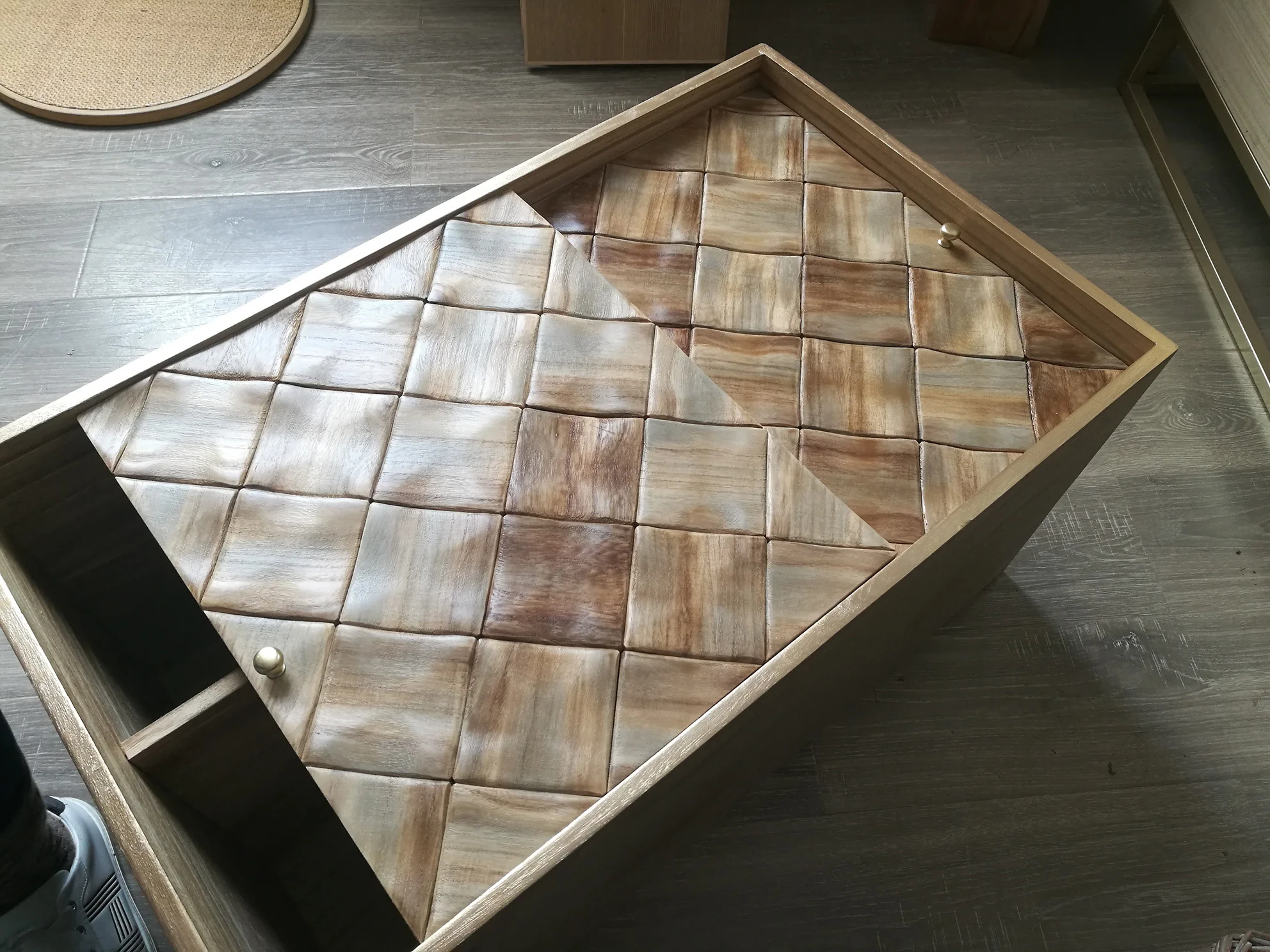
Frequently Asked Questions
Why do two furniture factories quote different prices for the same design?
The image or design may hide different assumptions about material, internal construction, finish, hardware, assembly, quantity, testing and packing. The factories may also use different production routes or include different responsibilities. Compare the technical fields before attributing the gap to quality, margin or efficiency.
Which specifications have the greatest effect on a furniture quotation?
There is no universal ranking. Material and component definition, construction, finish, quantity and variation mix, assembly state, quality or testing scope, and packing can all be material. Their importance depends on the product, factory route, destination and approval standard.
How should buyers compare solid wood and veneer furniture quotes?
Do not compare them as equivalent unless the buyer has approved both constructions. For solid wood, define species, components, dimensions and appearance conditions. For veneer, define face species, substrate, build-up, edge treatment and grain expectations. Then assess price, performance and visual consequences as a declared alternative.
Should a buyer ask a furniture factory for a full cost breakdown?
Not automatically. Ask for information that proves what has been priced and explains a meaningful delta. Material schedules, revised drawings, finish references, packing scope, testing inclusion and the effect of an alternative often support the decision better than confidential labour, overhead and margin details.
Does a lower furniture quote always mean lower quality?
No. It may reflect a suitable production route, standardization, purchasing conditions or another genuine efficiency. It may also describe a different or incomplete scope. Verify the product, obligations and conditions before judging the quality or value of the offer.
How should a lower-cost material or construction alternative be approved?
Record the original and proposed specification, price and lead-time effect, consequences for appearance, function, durability, quality, compliance and packing, and the required evidence. Approve the revised drawing, material reference and sample or test result before using the change for production.
A disciplined furniture factory quote comparison does not force suppliers to reveal identical cost structures. It makes them price an identifiable product, disclose alternatives and support the conditions behind material differences. Buyers can then negotiate the specification they actually need instead of negotiating against an unexplained total.
For a technical quotation review, send MrsWoods the current drawing or product reference, quantity by SKU, target market, intended use, material and finish direction, hardware, assembly state, packing requirement, quality or test scope and the quotations you want compared. Supplier identities may be redacted. The MrsWoods custom furniture manufacturing service can map the technical deltas, identify the evidence still needed and prepare a controlled question list before the product or price is approved.
