

For brands, importers, wholesalers and project buyers, this is the handover between product development and repeatable manufacturing. It should preserve the decisions already made while keeping unresolved questions visible. That control remains necessary even after a buyer has learned how to choose a furniture manufacturer in China, because supplier selection does not define the approved version of a particular item.
This guide explains the full handover from an approved sample to mass production. It also shows where a sample is useful, where written requirements remain controlling, and why early production and change review are still needed.
Key Takeaways
- Approve named attributes and versions, not an undefined idea of “the sample”.
- Keep sample approval, production release and shipment approval as separate decisions.
- Use the physical reference together with current drawings, material and packaging requirements.
- Verify early production before one repeated error spreads through the order.
- Reassess affected requirements when a material, component, process or document changes.
What Should the Furniture Sample Approval Process Establish?
Define the Approved Features, Scope and Outstanding Items
A furniture sample approval process should identify the sample, the product or option it represents, the attributes accepted, the governing document versions, any permitted deviations and every item still open. Approval should be narrow enough that another qualified person can understand what the decision authorises without relying on memory.
Think of this as an approval boundary. A finish board can approve colour and sheen on a named substrate while saying nothing about drawer function. A complete chair sample can answer proportion, comfort and visible workmanship but may not prove a durability requirement that needs a separate test. A packaging mock-up can settle protection and markings without changing the approved furniture construction.
This distinction matters because approval language often becomes broader as it moves from design to purchasing and then to production. “Colour approved” can become “sample approved”, and “sample approved” can be misread as “order ready”. State the accepted attributes in plain language, and keep open decisions attached to the same record.
Separate Sample Approval, Production Release and Shipment Approval
Sample approval answers whether specified aspects of a reference are acceptable. Production release answers whether the project has enough current information and authority to start the relevant work. Shipment approval answers whether the finished order and required records satisfy the agreed release conditions. These decisions can occur at different times and may involve different people.
For example, a buyer may accept the finish while final hardware, packaging marks or a revised dimension remains open. That is a valid limited approval, but it is not permission to build every unit. Conversely, a production team can prepare materials while the final release remains on hold, provided the commercial and technical consequences are understood.
The record should therefore show the decision status: approved for a defined purpose, approved with stated conditions, revision required, or not approved. It should also name who may release the affected work for that project. Payment and lead-time triggers belong in the order agreement; they should not be inferred from the word “approved”.
Which Samples and References Should Guide Production?
Distinguish Development, Pre-Production and Golden Samples
Sample names describe different ideas, but industry usage is not perfectly uniform. A development sample explores proportion, construction or appearance while decisions are still changing. A pre production furniture sample is intended to reflect a more mature specification and, where relevant, the planned materials and manufacturing route. A golden or reference sample describes an approved role: it is a physical point of comparison for defined attributes.
These terms do not automatically create three separate pieces or a compulsory sequence for every order. One physical item may move from proposal to approved reference after its scope is confirmed. A material board, hardware set or packaging sample may answer one risk more efficiently than another full product. The detailed guide to a golden sample and pre-production sample explains how to identify, retain and replace the relevant reference.
The practical question is not “What is the sample called?” It is “Which decision does this object support, and what evidence shows that it represents the current project?” A carefully made prototype may demonstrate a design while still being unsuitable as a production benchmark if its materials, tooling or process differ from the intended route.
Match the Physical Reference to the Current Documents
A physical sample cannot carry every requirement visibly. Dimensions, internal construction, material grades, component references, hardware, labels and packing details may depend on drawings, schedules or order documents. The sample and the document set should form one reference system, with a clear method for resolving a conflict.
The public summary of ISO 10007 configuration management guidance identifies responsibilities, configuration identification, change control, status accounting and audit as parts of configuration management. Applied to furniture sourcing, those principles support a simple discipline: identify the current references, record their status and control later changes. They do not create a mandatory furniture approval form.
MrsWoods can use its design team to support concept development, 3D views, structure, dimensions, materials, finishes and packaging discussions. Those tools help clarify what should be sampled, but a rendering is not proof of the physical material, workmanship, function or performance. The approved reference must still connect the design intent to evidence from the actual product.

What Must Be Confirmed Before Bulk Production Is Released?
Review Product Requirements and Unresolved Checks
Before release, compare the sample with the requirements that matter to the product: dimensions, materials, construction, load-bearing connections, stability, visible finish, moving parts, hardware, assembly, labels and packaging. The exact list depends on the furniture and intended use. An oak dining table, an upholstered hotel chair and a rental bar unit do not present the same decision risks.
A furniture sample approval checklist can keep those checks organised, but a tick alone is not evidence. Record the current reference, the result and the exception. If a photograph is used for remote review, state which visible characteristic it supports and which questions still need a physical check, measurement or suitable test.
Critical open items should remain visible at the release point. A conditional decision is useful only when its condition, owner and next action are clear. It should not allow an unresolved structural, functional, compliance or material issue to disappear into production.
Freeze the Approved Version and Record the Decision
In its public abstract, ISO 10005 quality-plan guidance describes quality planning as a cycle that is created, reviewed, accepted, put into use and revised. The same abstract states that the document provides guidance rather than requirements. For a furniture order, the useful application is to define the project-specific checks, responsibilities and records instead of treating a generic quality-system label as the approval itself.
The production baseline may include the final drawing, specification, material and finish references, hardware, packaging, marks and approved exceptions. A bill of materials can be included when the project uses one, but it should not be invented merely to make the file look formal. Every listed reference needs an identifiable current version.
MrsWoods’ confirmed project practice can bring final drawings, colour or fabric references, packaging and marks into the current production requirements, supported by customer confirmation records. The exact record can vary by project. The control point is that production receives the latest confirmed information, not that every order must use one universal signature form.
The detailed method for freezing furniture specifications belongs in the related article. At this stage, the release decision should identify which products and revisions may proceed, which work remains held, and how an obsolete version will be prevented from returning to use.
How Can Early Production Confirm That the Sample Is Reproducible?
Compare the First Production Output With the Approved Reference
A successful sample proves that one reference was acceptable under the conditions in which it was made. It does not by itself prove bulk production sample consistency. Early production adds the materials, tooling, operators, sequence and throughput intended for the order, so it can expose a handover error before that error reaches the full quantity.
The SGS furniture inspection overview distinguishes checks before production, at initial production, during production and on finished goods. Its description of initial production includes comparison with client specifications, technical drawings and a type sample. This supports early comparison as a useful control, but it does not prescribe one universal first-article procedure for every furniture order.
Choose the early-production evidence around the actual risk. Check a representative assembled item when joint fit and function matter. Review a finished component when a coating process is the concern. Confirm bulk packaging construction when the development sample travelled in special protection. The article on first article approval for furniture will address those checks in detail.
Correct and Recheck Before the Same Error Spreads
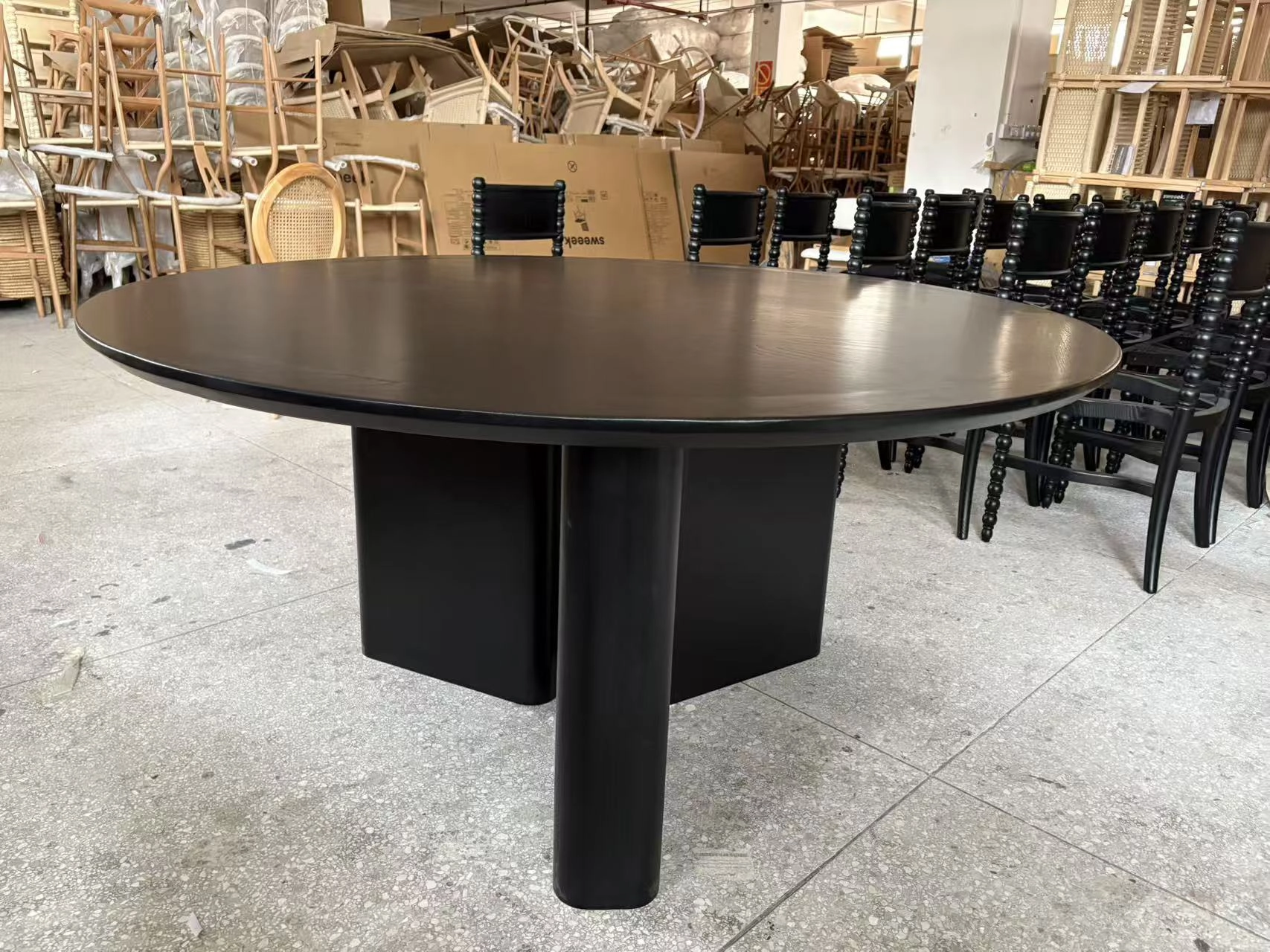
If the first output differs from the approved reference, stop the affected operation where practical and identify why. The issue may come from an outdated drawing, a material substitution, a setup choice, a dimension transferred incorrectly or an unclear approval. Treating every difference as operator workmanship can hide the real cause.
Define the affected scope before correcting it. If only one component or operation is involved, the response may be narrow. If the wrong reference entered production, earlier materials or units may also need review. Record what changed, what was corrected and which evidence now supports release.
This is not necessarily a formal aerospace First Article Inspection or an automotive Production Part Approval Process. Furniture buyers can use the underlying idea without importing an unrelated industry package: confirm that the actual production route can reproduce the applicable requirements, then document the project decision.
How Should Changes Be Controlled After Approval?
Assess the Proposed Change Before Implementation
Approved samples do not prevent change. A material may become unavailable, a hardware item may be discontinued, a construction detail may need refinement, or packaging may need adjustment for the shipment route. The control is to assess the proposed change before it silently replaces the approved basis.
Review which characteristics are affected: appearance, dimensions, strength, function, assembly, maintenance, packing, compliance evidence, price and schedule. A visually similar hinge may alter door movement or drilling. A revised veneer layout may affect the approved face appearance without changing the species name. A carton change can alter protection even when the furniture is unchanged.
In MrsWoods’ confirmed practice, procurement can assess the effect of a change on cost, stock, process, lead time and quality. Business and customer roles confirm the applicable commercial and product decision before the production requirements are updated. This highlights a practical advantage: the change is discussed through its consequences rather than presented as an unexplained substitute.
Replace Superseded References and Define What Needs Reapproval
After a change is accepted, update the affected production records and mark the previous reference as superseded. A new document is not enough if the old file, sample or instruction remains at the point of use. State the effective product, version, quantity or production stage so the change does not migrate into unrelated items.
Reapproval should match the effect of the change. A corrected label may need an updated artwork check. A different finish system may require a new board and suitable performance evidence. A structural or dimensional change may justify another assembled sample or early-production check. Not every minor edit requires rebuilding the entire product, but no change should bypass the evidence needed for the affected requirement.
A buyer should also record accepted residual differences. Otherwise the new condition may be argued later as either a defect or an informal precedent. The useful question is not “Was a new sample made?” but “What evidence is sufficient to approve this specific change?”

How Should Bulk Output Stay Aligned Until Shipment?
Recheck Relevant Stages Against the Same Reference
Furniture mass production approval is not a one-time visual event. Relevant checks should continue where the product can still be corrected efficiently. For wood furniture this may include the unfinished body, assembly, sanding, coating, hardware installation, final appearance and packaging. The stages should follow the actual risks rather than a decorative inspection calendar.
MrsWoods’ confirmed production practice can compare furniture at the unfinished-body and finished-product stages with the approved requirements. When a deviation appears, the affected work can be paused, assessed, corrected or discussed with the customer as appropriate, then rechecked. The statement does not imply continuous inspection of every process or an automated traceability system.
Use the same current references at each relevant point. That is the connection between sample to production furniture control and prevention of drift. The related guide to preventing specification drift will explain how repeated small substitutions and informal adjustments can become a new normal if nobody compares them with the approved basis.
Natural materials need an approved range rather than an impossible demand for identical grain. The approved sample quality standard should therefore distinguish reproducible requirements from inherent variation. A bulk oak order can match the approved species, construction, finish tone and appearance range without duplicating the grain pattern of one sample piece.
Resolve Deviations Without Weakening the Approved Requirements
When a deviation is found, record the product, component, stage, quantity or suspected scope, current reference and observed difference. Decide whether the item can be corrected, needs replacement, requires further evaluation or is acceptable under the existing criteria. Approaching shipment is not a technical reason to widen an agreed tolerance or appearance range.
After correction, recheck the affected requirement and any connected feature. Replacing a component may restore function while changing appearance. Refinishing may improve colour while altering sheen or edge quality. The disposition needs to cover the actual consequences, not only the first visible symptom.
MrsWoods performs 100% pre-shipment inspection covering material, structure, dimensions, surface workmanship and packaging, and ships after the customer confirms the inspection results or photographs. Customer-appointed third-party inspection is also supported. This gives buyers a defined final review point, while remaining distinct from product-specific laboratory testing or a promise that no defect can ever occur.
Final inspection closes the current order only after earlier decisions have been carried forward. It cannot reconstruct an undocumented approval or prove a hidden requirement that was never defined. The strongest workflow creates evidence at the stage where the decision is made, then uses final inspection to confirm the finished result against that evidence.
Frequently Asked Questions
Is a Golden Sample the Same as a Pre-Production Sample?
Not necessarily. “Pre-production” describes when and why a sample is made; “golden sample” usually describes an approved reference role. A pre-production sample can become the golden reference when its identity, scope and approval status are clear, but the terminology should be confirmed for the project.
Can Photos Alone Approve a Furniture Sample?
Photos can support approval of suitable visible characteristics when the item, angle, lighting, scale and reference are clear. They cannot independently prove precise colour, tactile finish, comfort, hidden construction or performance. State what the remote approval covers and what still requires physical evidence.
Does Sample Approval Automatically Authorize Mass Production?
No. Sample approval may cover only specific attributes or may leave commercial, technical, packaging or compliance items open. Production should begin only when the project-defined release conditions and authority are satisfied.
Who Should Approve the Sample and the Start of Production?
The project should name the buyer and supplier roles authorised to approve appearance, technical requirements, commercial effects and production release. There is no single department combination or signature format that fits every company. The record must make each person’s decision scope clear.
When Does a Change Require a New Sample?
A new sample is appropriate when the change affects characteristics that cannot be confirmed adequately through another form of evidence. The answer may be a new complete sample, a component, a finish board, an updated drawing or an early-production check. Base the decision on impact, not a universal rule that every edit requires a full remake.
Does an Approved Sample Guarantee Every Bulk Item Will Match?
No. It establishes an identified reference for the attributes and range approved. Consistent bulk production still depends on current documents, controlled materials and processes, change management, suitable in-process checks and final inspection. Natural materials should be judged against the approved range rather than exact visual duplication.
From an Approved Reference to a Controlled Order
The strongest furniture sample approval process preserves a chain of decisions. It identifies what the sample proves, connects the object to current documents, keeps unresolved items visible, separates sample acceptance from production release, and verifies the result under actual production conditions. When something changes, the affected requirements are reassessed instead of being replaced informally.
For a buyer working with a custom oak furniture manufacturer or furniture OEM manufacturer, this approach makes the discussion concrete. It provides a way to control finish, construction, hardware, packaging and natural variation without pretending that one physical sample can contain every requirement or guarantee an entire batch.
To discuss a custom or OEM furniture project, share your drawings, quantities, destination, intended use, approved sample or finish references, and the points still awaiting confirmation. MrsWoods can review those inputs through its OEM and custom furniture development services and clarify what needs to be confirmed before bulk production.
